
The Wellspring
a blog by Dr. Elizabeth Miller and WMB Team

Genetic SNPs Associated With Obsessive-Compulsive Disorder
Advances in psychiatric genetics have identified multiple single nucleotide polymorphisms (SNPs) associated with increased vulnerability to OCD. These variants do not cause OCD in isolation. Rather, they influence neurotransmitter regulation, synaptic plasticity, stress sensitivity, cognitive flexibility, and treatment responsiveness; factors that contribute to the wide variability in symptom presentation and therapeutic outcomes observed in clinical practice (Mattheisen et al., 2015).
Here at Well Mind Body we use this information to help use understanding these genetic pathways so that we can move beyond oversimplified explanations and toward individualized, biologically informed care.
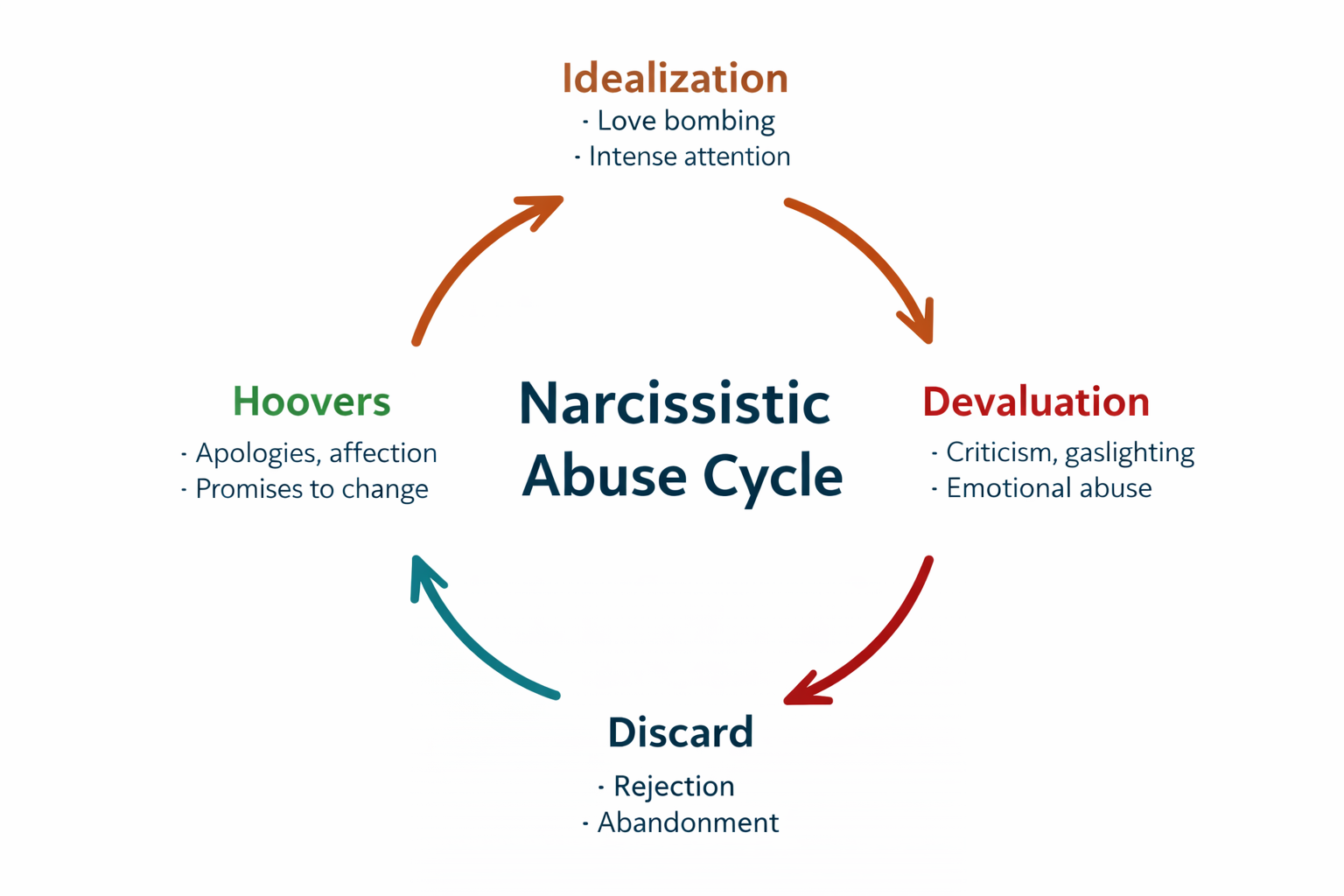
Why Leaving a Narcissistic Relationship Is So Hard
Leaving a narcissistic relationship is rarely as simple as recognizing that something feels off. Many people can clearly see, on a rational level, that the relationship is unhealthy, yet still feel emotionally, psychologically, or even physically unable to walk away. This internal tug-of-war often creates shame, confusion, and self-blame, especially for individuals who pride themselves on being strong, capable, and self-aware.

What Is CBT Therapy? A Practical, Evidence-Based Approach to Mental Health
Cognitive Behavioral Therapy (CBT) is a form of talk therapy based on the idea that our thoughts, emotions, and behaviors are deeply connected. When we develop inaccurate or unhelpful thought patterns, they can fuel anxiety, depression, stress, and other mental health challenges.

Three Ways to Improve Communication With Your Spouse
Healthy communication is one of the most important foundations of a strong relationship, but it’s also one of the most challenging. Even couples who care deeply for one another can fall into patterns of misunderstandings, emotional reactions, or conversations that leave both people feeling unseen. Effective communication isn't just about finding the right words; it’s about nervous system regulation, intentional listening, and choosing connection over defensiveness.

The Benefits of Counseling During a Season of Waiting
Waiting is one of the hardest emotional experiences we go through as humans. Whether you’re waiting for clarity, a diagnosis, a decision, a life transition, healing, or the next chapter to begin, a season of waiting often brings a mix of uncertainty, hope, fear, restlessness, and frustration. It can feel like life is on pause while everyone else is moving forward.
And yet, these seasons, though uncomfortable, are deeply important.
Counseling can be a powerful support during times when you are “in between,” helping you navigate the emotional, relational, and physiological impact of waiting with more clarity, steadiness, and self-compassion.
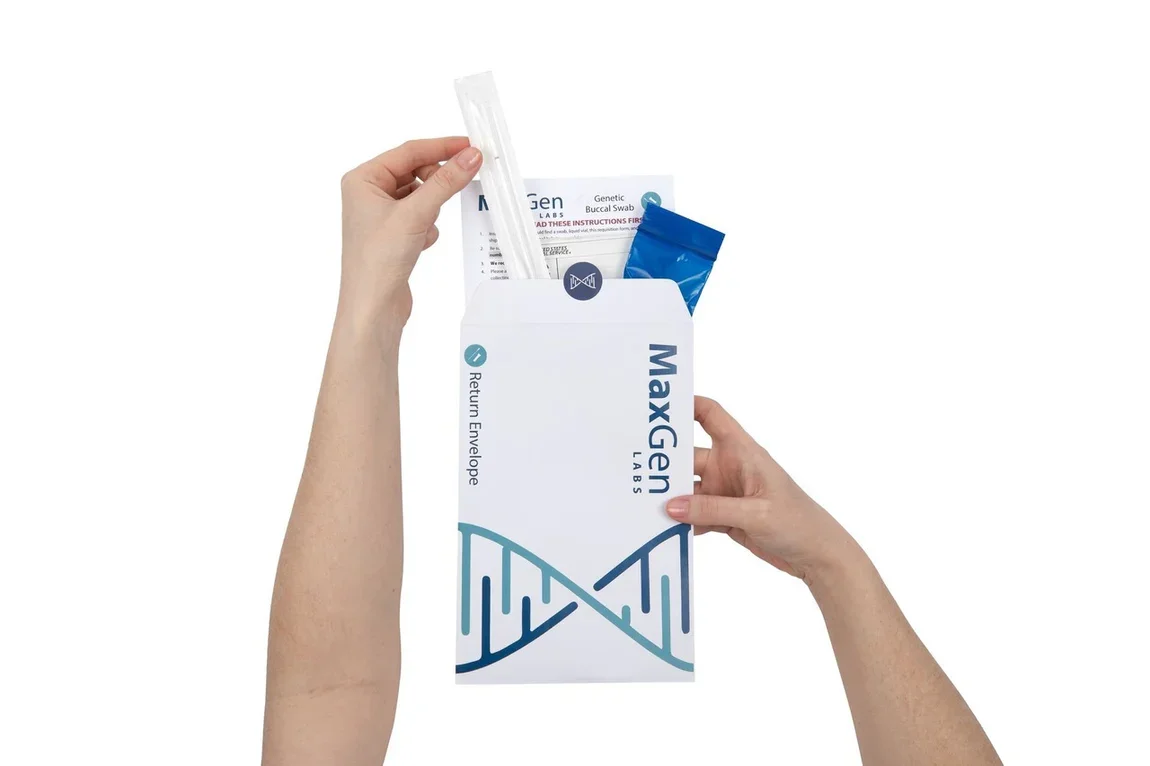
Expanding Personalized Care: Introducing MaxGen™ Genetic Testing
At Well Mind Body, we are thrilled to announce that we now offer The Works Testing from MaxGen, a next-generation genetic test designed to take your personalized wellness to the deepest level. This advanced assessment analyzes over 200 genetic markers (SNPs) to uncover how your unique biology influences mood, metabolism, hormones, detoxification, and overall health.
The Works helps you identify the genetic pathways that shape how your body responds to nutrition, stress, and the environment. It offers insight into how your body produces energy, processes toxins, regulates hormones, manages inflammation, and restores balance during rest and recovery.

A Gentler New Year: How Small Lifestyle Steps Create Lasting Wellness
Every January, people seem to fixate on new goals, new plans, and a pressure that this year must be different. For many people, that pressure can feel heavy, especially if you’re already managing stress, anxiety, burnout, or chronic health challenges.
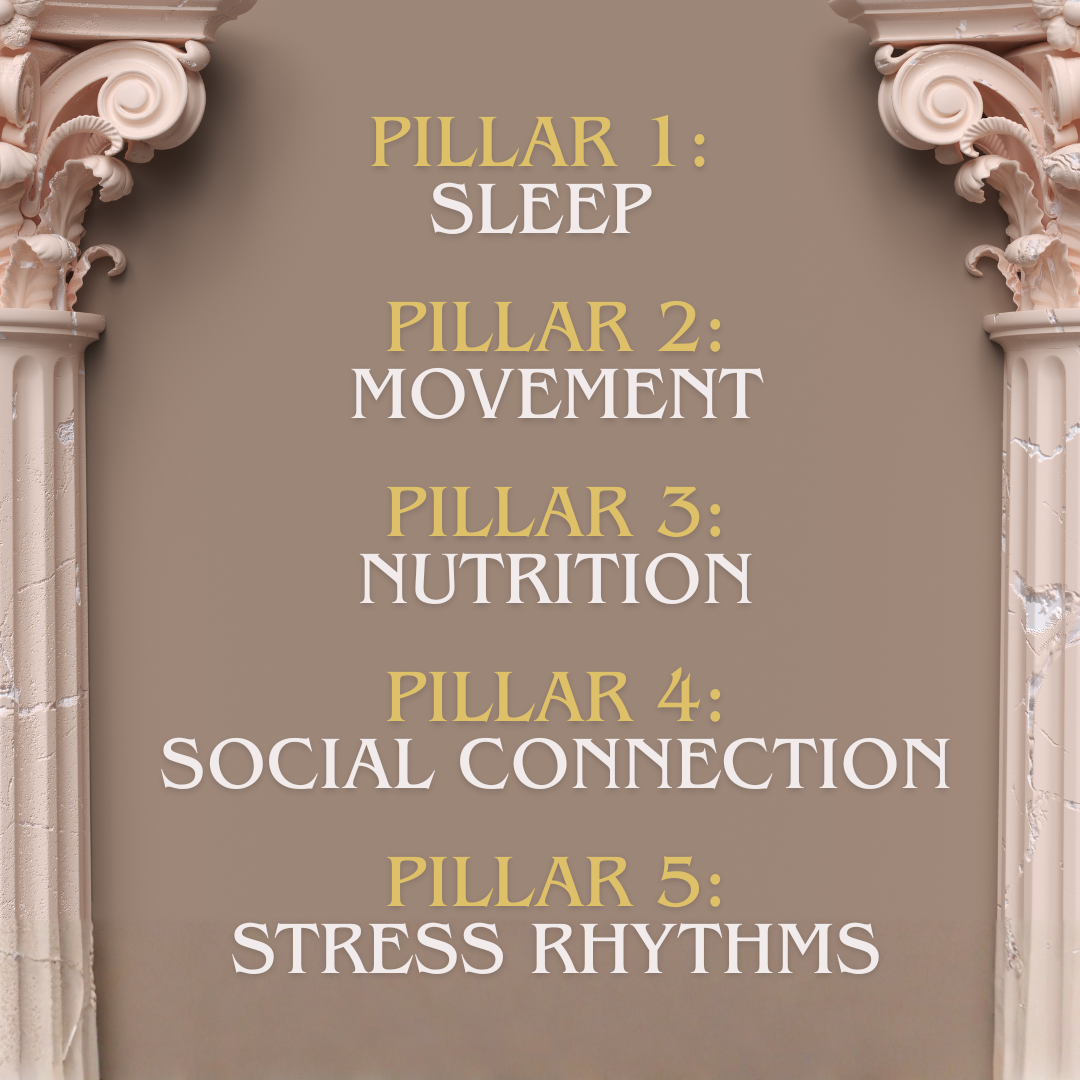
Lifestyle Is the Foundation of Mental Health: 5 Lifestyle Pillars to Incorporate In Your Life
When people think about mental health, they often picture thoughts, emotions, trauma history, relationships, or brain chemistry. But the “soil” those experiences grow in is your daily life: sleep, movement, nutrition, stress rhythms, and connection. Lifestyle isn’t a replacement for therapy or medication when those are needed. It’s the foundation that makes healing easier, relapse less likely, and coping skills more effective.

Fear of Illness and Health Anxiety: How Anxiety, Reassurance-Seeking, and Stress Can Make Us Feel Sicker
Fear of illness is more common than many people realize. For individuals with health anxiety, persistent worry about getting sick can activate chronic stress, intensify physical sensations, and keep the nervous system locked in survival mode. Ironically, research shows that excessive vigilance, reassurance-seeking, and attempts to control bodily sensations often make people feel more unwell, not safer. Understanding the mind–body connection behind health anxiety is a critical step toward healing.

When Your Skin Feels Too Sensitive: Understanding Hyperesthesia Through a Mind-Body Lens
Have you ever felt like your skin is on high alert, where even light touch, clothing, or temperature changes feel unusually intense? This heightened sensitivity is called hyperesthesia, a form of sensory amplification that affects millions of people. At Well Mind Body, we frequently see clients experiencing sensory overwhelm as a result of stress, chronic illness, inflammation, or nervous system dysregulation.
Hyperesthesia is not “in your head.” It’s a real neurobiological response that reflects how closely the mind and body are connected, and how deeply the nervous system responds to overwhelm, illness, and inflammation.

How the Body Keeps Score: Mental Health, Trauma, and the Mind–Body Connection
For so many of us, especially high-achieving women, mothers, professionals, and students, the body speaks long before the mind can form words. A tight chest becomes the language of anxiety. Chronic stomachaches become the echo of unprocessed grief. Headaches, fatigue, inflammation, and sleep disturbances show up as the body’s attempt to keep us safe.

Healing Begins with Connection: Why Therapy at Well Mind Body Feels Different
Discover how Well Mind Body in Houston offers integrative psychotherapy that blends neuroscience, nutrition, and compassionate care. Book your first session today.

5 Signs Your Nervous System Is Overwhelmed and What to Do Today
When life gets loud, fast, or unpredictable, your nervous system is the first to let you know. But most people miss the early signs until anxiety, exhaustion, or irritability take over. As a therapist, mom of three, and someone who specializes in nervous-system-aware care, I see this every single day at Well Mind Body.

How to Practice Gratitude When Life Is Really Hard
When you’re in a season of grief, uncertainty, burnout, illness, or overwhelm, gratitude does not come naturally, and that is completely norma. Practicing gratitude isn’t about bypassing emotions or forcing positivity. It’s about finding gentle, accessible openings, tiny moments where light comes through.

The Mind–Body Benefits of Gratitude: How a Simple Practice Rewires Your Health
In a world that moves fast and demands more from us each day, gratitude can feel almost too simple or too small, compared to the stressors we carry. But from a mind–body perspective, gratitude isn’t just a pleasant feeling. It is a physiological event, a nervous-system regulator, and a powerful tool for mental and physical wellness.
Gratitude, practiced consistently, reshapes the brain, calms the body, strengthens relationships, and supports long-term well-being.


Increasing Intimacy: Practical, Evidence-Informed Strategies for a Stronger Relationship
Here at Well Mind Body, we see couples every day, and we understand how the hustle and shuffle of life, parenting, and work can be all-consuming. In that overwhelm, intimacy often becomes the first thing to fall to the wayside. Intimacy is more than physical closeness, it’s the emotional, psychological, and relational glue that helps couples feel secure, understood, and connected.

Rejection Sensitivity in Children with ADHD: Understanding, Supporting, and Intervening
Childhood can be a minefield of perceptions, missteps, and emotional hazards, especially for children living with Attention-Deficit/Hyperactivity Disorder (ADHD). One less-frequently discussed but highly impactful phenomenon is rejection sensitivity: the tendency to anxiously expect, readily perceive, and over-react to real or perceived rejection (Downey et al., 1998). In children with ADHD, this sensitivity can amplify emotional dysregulation, social difficulty, and academic challenges.

Trusting Your Mom Intuition: Why We Ignore It and How to Come Back Home to It
Moms often sense things long before anyone else does. You notice small shifts, subtle cues, changes in energy, and patterns no one else sees. This is your intuition! A powerful blend of nervous system attunement, lived experience, attachment wiring, and deep relational knowing.
Mothers are trained to please, accommodate, and stay agreeable. This makes it hard to hold your ground when something feels off. Your nervous system may be signaling danger or dysregulation, but cultural pressure says, Don’t be difficult. Don’t overreact.

The Science Behind Gratitude Practice: How Thankfulness Rewires the Brain and Boosts Mental Health
In recent years, gratitude has moved from the pages of self-help books into the focus of neuroscience and psychology research. Far from being just a “feel-good” idea, gratitude has measurable effects on brain structure, neurotransmitters, and emotional resilience. Understanding the science behind gratitude helps us see why this simple daily habit can improve mood, relationships, and overall mental health.